At RSAC 2026, AI-assisted triage became table stakes. Deep investigation became the battlefield. Our team spent the week meeting with CISOs and other decisions makers on the frontline of this conflict.
Why it matters:
- 45,000+ practitioners packed Moscone Center asking the same question: which AI approaches hold up under complex, multi-source investigation.
- Agentic AI dominated the show floor, but autonomous alert handling is now a commodity claim. Differentiation has moved to investigation depth and data access.
- Platform lock-in is the hidden cost most booths didn’t mention. Impressive investigation UIs still stop at the edge of proprietary telemetry.
- SOC teams are being evaluated on investigation quality, not just alert volume. Tools that can’t follow data across sources are a liability at that standard.
The Big Picture
RSAC 2026 confirmed that AI-assisted triage is no longer a differentiator. Nearly every vendor on the floor claimed autonomous alert handling as a baseline capability.
The real divide is at investigation depth. Teams facing complex, multi-source incidents consistently reported hitting a ceiling with single-platform tools.
The question practitioners kept returning to: can the investigation follow the data, or does the data have to move first? Centralization introduces delay. Attackers exploit delay.
Command Zero spent the week in working sessions with SOC leads and detection engineers. The consistent pressure point was the same: federated, source-agnostic access isn’t a nice-to-have. This is the operational requirement.
Go Deeper
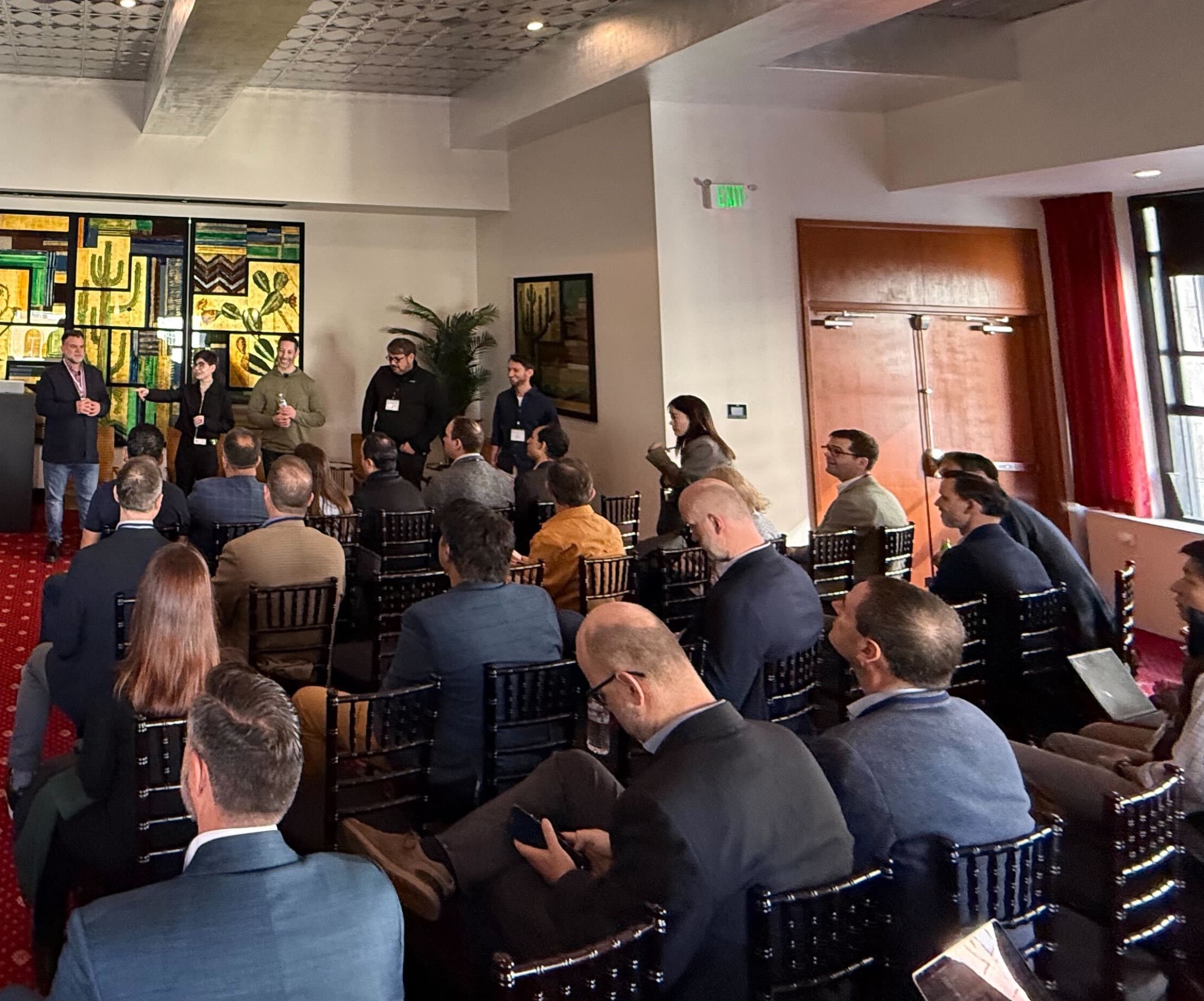
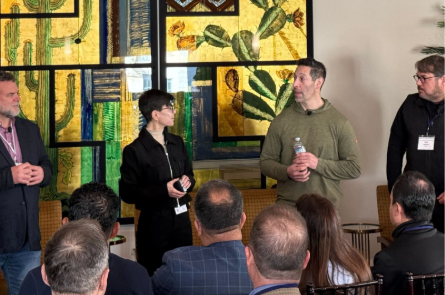
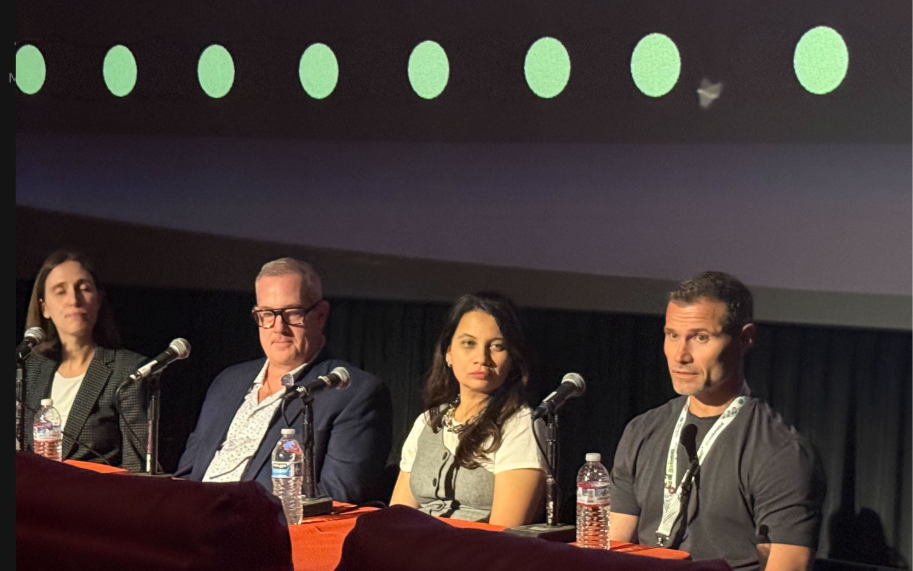
- Dean De Beer at BSidesSF. Dean joined the “Evolving AI Reality for Blue Teams” panel alongside practitioners building and operating AI-assisted detection programs. The central tension in the room: teams know AI can accelerate investigation, but they’re skeptical of any approach that requires them to centralize data before the work can start.
- Dov Yoran at the AGC Partners Cybersecurity Conference. Dov took the stage to address the gap between AI investment and AI outcomes. His core argument: operational impact requires methodology, not just models. Encoding senior-level investigative logic into structured question sequences is how you scale that impact without scaling headcount.
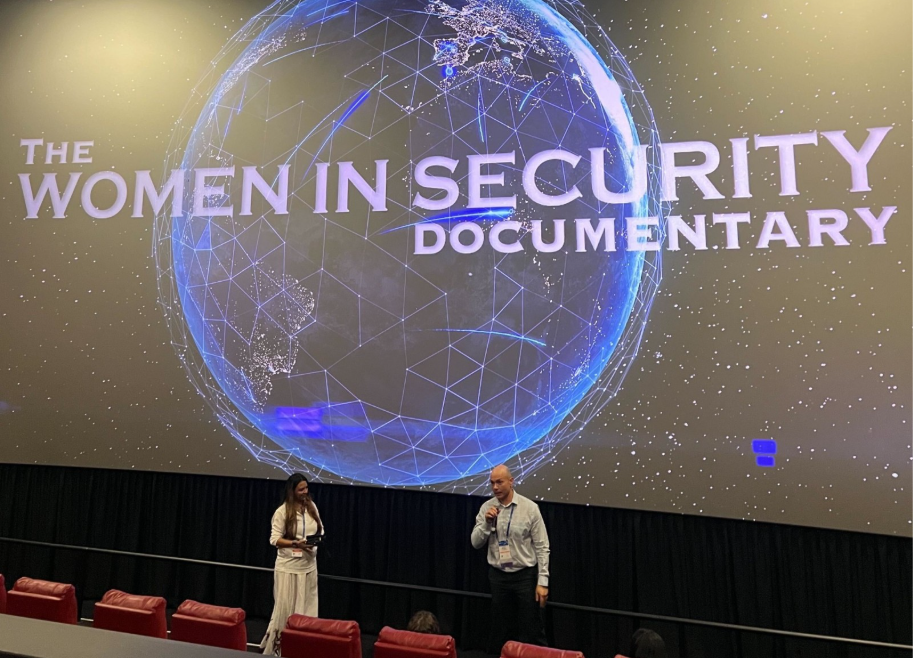
- We were thrilled to sponsor screenings at RSAC of the "Women in Security" documentary -an extremely well-received telling of the import role women have played in the industry.
- The convergence problem. When every vendor claims “AI SOC,” the category label stops doing work. What matters is where the investigation terminates. Tools that stop at alert filtering leave the hardest analytical work to your most experienced analysts, and those analysts are the resource in shortest supply.
- Federated investigation in practice. Command Zero queries data where it lives, across EDR, SIEM, cloud logs, identity providers, and custom sources, without requiring ingestion into a central platform. The investigation follows the evidence. That’s a structural difference, not a positioning claim.
- Moving toward a tierless SOC. The “hero developer” problem and the analyst tier model share a root cause: knowledge that lives in people’s heads and doesn’t transfer. By encoding expert methodology into executable Questions, Command Zero makes senior-level investigation repeatable at every analyst level.
Missed us at RSAC? Book a demo with our team!